 HarleyMotorcycleParts
Softail Standard (FXST) Fuel Line: What Your Year Needs
From carburettors to M8 injection under one name. Your model year decides everything.
Ask for 'the Softail Standard fuel line' and no honest parts counter can answer you. This name runs from carburetted bikes through to M8 injection, and the 1984-1999 machines have routing all their own. A line that fits one year may be useless on another. So the opening move on this model is not a spanner. It is the model year, checked on your paperwork, then confirmed by looking at the bike.
Tools
- Your registration or VIN paperwork, to confirm the model year
- Matching line or fuel-rated hose
- O-rings for every opened joint
- Clamps or a release tool to suit
- Fuel-grade can with a lid
- Flammable-liquid extinguisher
- Service manual
Era by era
1984-1999: carburetted, gravity-fed, routing specific to those bikes. Use the manual for your year, and do not trust a diagram meant for a newer Softail.
Through 2006 generally: carb is the normal case, with injection appearing on some bikes from around the start of our 2001-17 line span. Check for a petcock versus a sleeve-type quick connector.
After 2006 on the old chassis: injected, using the FXST/FLST 2001-17 catalogue span.
2020-up FXST: M8 chassis, injected, using the 2018-23 span within those years. Beyond that, confirm fitment. This chassis shares no old-Softail routing, so an older video will mislead you.
If you still cannot tell
Old Softails change hands many times, and a previous owner may have changed things. Trust the hardware. With the key on and the shop quiet, an in-tank pump gives a short hum and stops. No hum, plus a petcock lever, means carb. If the signs conflict, stop and get someone to look before you order anything.
What to have ready when you order
Ring or search with three facts in hand: the exact model year from your paperwork, the code FXST, and the fuel system you just confirmed. Together those answer the fitment question. Any one of them alone does not, which is why so many wrong lines get bought for this bike.
If you have a pre-2000 machine, also expect to verify a hose route from the manual for that exact year and not from a picture online. For a 2020-up bike, match the line to the 2018-23 span, and keep in mind that later models have to be looked up individually.
Rules that apply to all of them
Age of bike changes the plumbing and not the danger. Fuel vapour finds ignition sources you forgot, like a water heater in the corner or a drop light with a poor switch. So: motor cold, big doors open or work outside, nothing sparking or burning, a flammable-liquid extinguisher you can actually reach, and a lidded fuel-grade can for what comes out.
Negative battery lead comes off in every era too, though on the injected bikes that happens after the purge.
Carb-era hose change
Close the petcock. Take the battery lead off. Put the can under the low point, release a clamp and allow the hose to empty.
Inspect the old hose as it comes off. On a bike this old you may find it was replaced with something other than fuel hose, which would be good reason alone for doing this job.
Use only fuel-rated, ethanol-tolerant hose, because modern pump fuel can attack old-style materials. Cut it to a length that makes smooth curves and stays away from heat. Secure both ends with a proper clamp rather than a zip tie or a twist of wire. Any O-ring you disturb is replaced.
Open the petcock and watch for several minutes, engine off, before going further.
EFI-era line change
The manual's relief procedure is the first thing you do to the system. Expect it to go like this: pump fuse or connector removed, run or crank until the engine dies, pump left unplugged until you finish. Allow it to cool once more, then take the negative lead off.
Reach the fitting at the tank, raising the tank only if the manual for your chassis tells you to. Set a rag beneath. Slide the sleeve with the required push and pull, separate, and plug.
Record the route and unclip the old line, detaching the engine end as the manual directs. A pre-2018 and a 2020-up line should not look alike, so if yours do not match the old part, stop.
Single-use O-rings go in new at each joint. They are where most leaks start. Seat and lock each fitting, tug hard, reinstall clips, and keep clear of hot surfaces and moving parts.
Old-school habit warning: a Softail owner raised on carb bikes may reach for hose and a clamp when a pressure line fails. Do not. On injection, that repair is forbidden, no exceptions.
Key-on inspection for the injected bikes
Pump connection first, battery last. Turn on, leave the starter alone, and let it prime and stop. Inspect, cycle again, inspect again, and start only when every joint is dry. Check once more at idle and when warm. Lines inside the tank are outside this job, so refer to our Fuel Filter and Fuel System Service guide.
Mistakes that cost money
- Asking for a line by model name without the year.
- Following a newer Softail diagram on a 1984-1999 bike.
- Trusting the date when a previous owner may have changed the system.
- Holding a hose on with wire or a zip tie.
- Carrying carb-era hose habits over to a pressure line.
When to stop
Go to a shop if the system on your bike does not match its year, if you are not sure what was changed, if the petcock itself leaks, or if the tank port is damaged.
Parts for this job
Check fitment for your own model and year before ordering — add your bike and we will flag what fits.
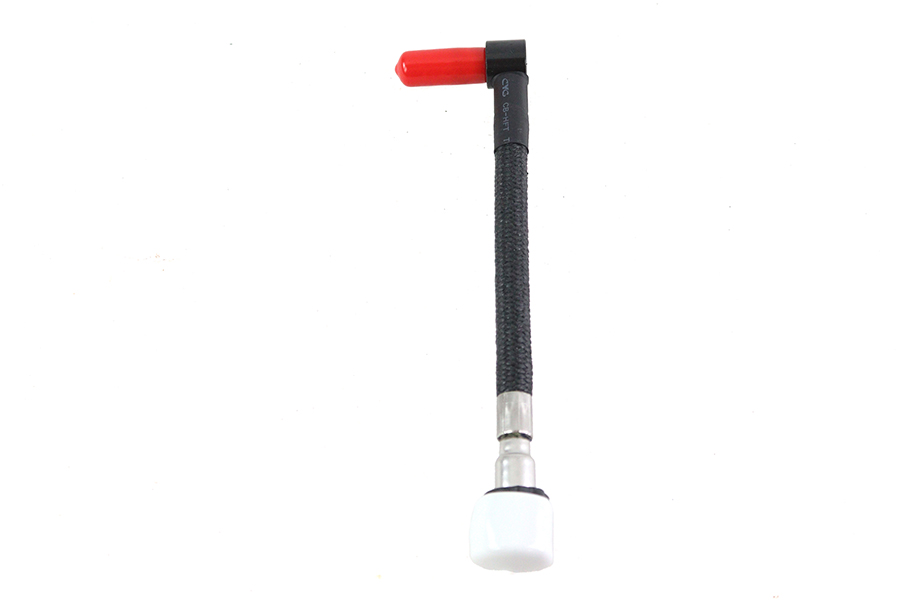
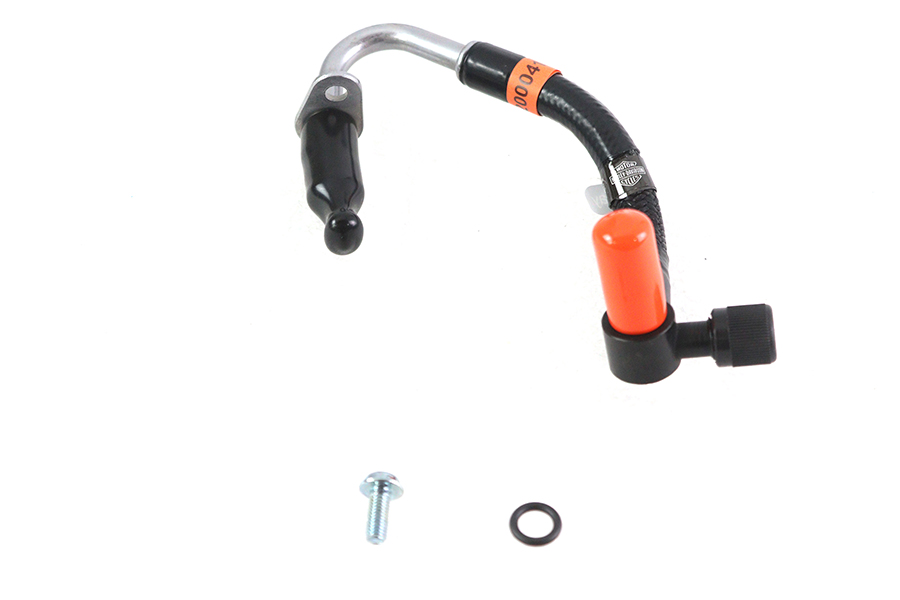
Other Harley how-to guides
This guide covers procedure and judgement. Torque figures, fluid capacities, gaps and tension settings are specific to your model and year and must come from the factory service manual for your motorcycle — we deliberately do not print numbers we cannot stand behind for your bike. Independent aftermarket retailer, not affiliated with Harley-Davidson, Inc.